
Outlaws
opting out of the social contract for lulz

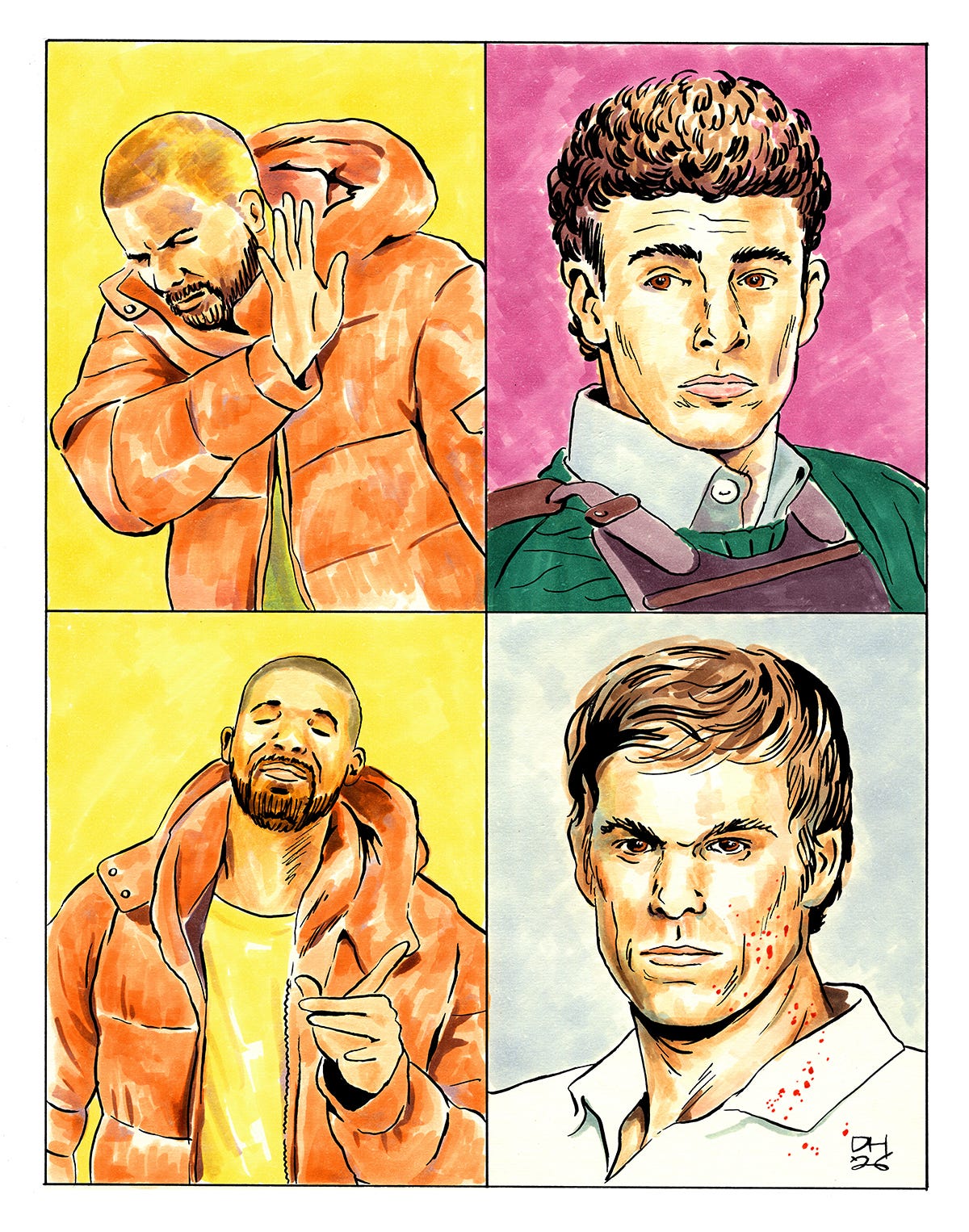
It seems like the outlaw’s place in popular culture has all but vanished. No longer is there room in the socially responsible novels of the Western mainstream for marginal, hermetic temperaments, assuming there was ever such a place to begin with. It was Thoreau, after all, who wrote, echoing Plato, that “It is not desirable to cultivate a respect for the law, so much as for the right.” Nevertheless, the outlaw has only ever been sanctioned by culture. The more culture is colonized by metabolizing processes of capitalism, the more the presence of the outlaw is genuinely foreclosed. What appears instead is a limited, law-sanctioned iteration: No longer Down by Law (Jim Jarmusch) or Before the Law (Franz Kafka), the outlaw takes a more participative prepositional relationship, Above the Law (Bruce Wayne). The problem with this fantasy—as with all fantasies that affirm the status quo—is that it is not relegated to the realm of fiction. The question becomes, Who decides who is above the law? There is now a real-world answer to this fictional question: the U.S. Supreme Court. We have seen how easily the voting American public, fueled on a Batman and Punisher ethos, has accepted this crossing-over from fantasy to reality. Indeed, Trump isn’t so much above the law as ape of the law—a proto-sci-fi villain acting out the violently xenophobic and imperialist drives that are normally hidden from political discourse. Trump is a shadow manifestation straight from Ken Russell’s Altered States, brought to the surface by the sensory-deprivation experiments of social media and apocalyptic Christian chamber politics. He is the monstrous “return of the repressed” resulting from the cultural foreclosure of the outlaw.
I should point out, however, that further discussing so-called public “outlaws” could only yield limited results. This is because the outlaw inherently resists totalization. Definitionally, the outlaw could not properly attain the designation of “public,” as it cannot be assimilated by the major orientation of the nomos. That is, the “public outlaw” is a contradiction because what is public must always in some way reinforce the integrity of the law. This is why Charles Manson was granted status as an ordained public figure and not, say, Luigi Mangione. While it’s true that Mangione has been embraced as a popular figure among the long-abused population of American health insurance policy holders, his presence has only been reluctantly tolerated by the media. There is still a great, enigmatic aura of distance concealing him that was markedly absent in the case of Charles Manson, who nevertheless possessed a much more disordered and far less “viewer friendly” persona. Manson was granted public interviews and extensive media coverage precisely because of his inability to lucidly articulate a rationale for his actions. Ultimately, Manson’s outlaw image reinforced the official narrative of the collapse of the “cultural experiments” of the sixties. Manson was an object of Kristevan abjection par excellence, performing an abundant justification for the very system that “rejected” him. Mangione will never be a public outlaw because he presents an articulate, sane, and physically attractive image. For the public sphere, the outlaw cannot be tied to the law in a proper, definitional form, that is, as a rejection of the law. Capitalism—and, by extension, the Neo-Passéist—principally recognizes and celebrates the outlaw only in its appropriated and degraded iteration, as an instrument of law.
If we were to look at the most culturally-visible iteration of the fictional outlaw—that is, outside of certain superhero franchise films bad enough to not merit serious viewing—we could do no better than rap music. Even here, however, we find that the outlaw has undergone diminishment. Perhaps the most obvious instance has been the division between two essentially opposed subtypes: the “good kid,” a rapper-persona in a somewhat conflicted relationship to the genre’s outlaw status, and the “predator,” a markedly less ambivalent character who is either or both an outside “colonizer” preying on rap culture for profit and/or a rapist/pedophile—that is, an instance of the outlaw of the worst type, where the psychical distance necessary to sustain the conceit of fiction becomes intolerable. The most visible instance of this, of course, is the highly publicized 2024 feud between Kendrick Lamar and Drake. While rap rivalries have long entailed a tension between the “real” and the “fake” (notwithstanding the essentially fictional characteristic of these personas), the feud in question staged an unprecedented confrontation between good and evil. Here, the stakes were intensified into the rarefied atmosphere of moral outrage, with all its unconscious mythic implications of the Christian Armageddon (see, for instance, Kendrick’s frequent self-portrayal as Christ, the most obvious example of which is the album art for 2022’s Mr. Morale and the Big Steppers). Conspicuously absent in this conflict was the outlaw, an unspoken presence only related to claims of cultural authenticity by implication. It is clear that the fictional outlaw cannot survive the all-too public “seriousness” of moral outrage, which is perhaps nothing more than mob mentality. This uncompromising, unreflective state of mind(lessness) has become increasingly normalized in the current milieu of greatly heightened social tensions, and accounts in large part for the massive popularity of the 2025 NFL halftime show in which Kendrick was permitted to publicly call Drake a pedophile. Curiously absent in all this were attempts to hold Drake legally accountable for actual pedophilia. How can apparently sincere and near-universal condemnation result in no legal consequences? Here, as in many other areas in our time, right under our feet, the boundaries between fiction and reality have dangerously thinned.
The Neo-Passéist, in their anxiety to remain politically relevant and morally attuned, is bound to conform their fictional outlaws to agendas concordant with moral/mob seriousness. What is created, unwittingly, are yet more instances of the ape of the law—characters that play out exaggerated and essentialized iterations of the very system they are supposed to reject. Dexter immediately springs to mind, the ultra-popular and bloated TV series about a psychopathic forensic technician who channels his serial killer tendencies into calculated vigilantism. The serial killer, a Neo-Passéist favorite, is always uniquely attuned to the demands of capitalism, especially when accentuated by a corporate flair for organization, efficiency, and the ability to manipulate others. Material comfort is necessary to maintain the Neo-Passéist outlaw, and a job, preferably within the criminal justice system itself, is the preeminently Neo-Passéist solution to this need (It is this same impulse, albeit in a different key, that informed Nic Pizzolatto’s Neo-Passéist creation of the character Rust Cohle in the first season of True Detective, a crime series that relied on a vague blend of Lovecraftian tropes and the performative nihilism of Cohle.). Dexter seems to have inspired a wellspring of “transgressive” novels, many of which feature “outlaws” fueled by savage vigilantism aimed at righting simple moral outrages with minimum ambiguity and nuance—a whole genre of American Psycho clones all lacking a shred of reflexivity, the listing of which would be tedious to include here.
Ultimately, it is the devotion to moral/mob seriousness which prevents the Neo-Passéist from accessing the outlaw. Seriousness, after all, can’t help but take the “serious” capitalist fantasy of the law seriously. As Slavoj Žižek points out in The Plague of Fantasies, “Every belonging to a society involves a paradoxical point at which the subject is ordered to embrace freely, as a result of his choice, what is anyway imposed on him.” This superficial construction may be the empty “essence”of the law that is always missing in Kafka’s stories, much to the frustration of Kafka’s protagonists. The Neo-Passéist utterly fails to see that the choice itself is unserious in that its sole function is to stage the “free agency” it then asks (in bad faith) the subject to assume (“If you don’t like your job, just quit!”). One version of the false choice (there are many, perhaps endless iterations of it) is something like: “You may labor patiently within the confines of the law and earn authorized, mediated access to a paradise of libidinal enjoyment, or you may seek your ends outside of the law, only to be devoured by the very unmediated extremes of the enjoyment you find there.” The trick is that capitalism may only offer what it cannot provide (libidinal fulfilment) as an alternative to what it cannot truly sanction (indifference to the law). There is no real choice.
Most representations of outlaws reinforce this fantasy by depicting the downward spiral of unmediated enjoyment. Darren Aronofsky’s Requiem for a Dream, for example, is merely a cautionary tale of the outlaw’s excesses, warning viewers of the gradual deterioration and inevitable annihilation of the outlaw(s) at the divine font of pure libidinal enjoyment. This position closely parallels the description of psychosis in Lacanian analysis, so that outlaws in film, especially drug addicts, are exemplary models of “insanity.” These polemics reek of the seriousness of Neo-Passéism and lock us in the structure—borrowing again from Žižek—of fantasy. The only way to “traverse” the fantasy is to recognize its very unseriousness—a deadly serious unseriousness, to be sure, but unserious all the same, insofar as the all-important alternative is not an alternative at all.
My interest in the outlaw was inspired by recently watching most of the films of Jim Jarmusch. While many of his early films suffer from the Neo-Passéist “hunger for realism” (I enjoyed them all, nevertheless), Ghost Dog: The Way of the Samurai presents an interesting revision of the outlaw that pushes the marginal and thoroughly minor tendencies of his previous films into wilder and more openly decadent iterations. Starring Forrest Whitaker, Ghost Dog is about the titular assassin living on the roof of a derelict building, who divides his time between killing people for his “boss,” a comically ineffectual mob leader, and reading the Hagakure, a seventeenth century Japanese collection of Buddhist commentaries selected for their relevance to Bushidō, a samurai moral code. The ensuing film oddly blends Wu Tang songs, Zen/Taoist aphorisms (read at a meditative pace and displayed onscreen), and samurai/gangster film tropes. The Hollywood action element is overtly satirical, reaching extremes of parodic violence (one mob character is shot through the drain in his sink from the basement) nearly worthy of David Lynch. The action is driven by the circular logic of the blood feud, murder inspiring murder in an infinite regress—a narrative structure apparently favored by the nomos, given its universal and unwavering popularity. Curiously, and unlike the film’s apparent source of inspiration, Le Samouraï, the law is completely absent, except in the case of a single (quickly murdered) cop. This appears to be a space given over entirely to the mob, a surrendered urban no-man’s-land that might as well be a sci-fi dystopia of the future/present.
Can this apparently lawless film be relevant to the outlaw? It is clear from his other films that Jarmusch was always conscious of the law, not as an ameliorative presence of order, but as the horrid and monstrous irrationality of the Real. Two of the three principal characters in Down by Law (just like William Blake in Dead Man) are arrested on false charges. Directly after one arrest, a police officer makes indecent suggestions to a child who was planted to catch a pimp who propositioned her in the dark without knowing her age. For Jarmusch, the law is never innocent, and this is also the case in Ghost Dog, a film in which the timeless practice of blood feud is the law itself. As René Girard has convincingly argued, in no sense does the sublimation of criminal execution to the status of administrative function eliminate the stain of revenge from the social order. In Plato’s Phaedo, we are told that the execution of Socrates was delayed for concerns of ritual purity, not for any individual, but for the city of Athens itself. This is a sure sign that the crime has not vanished, despite being committed by the state. Behind its expressionless, administrative veneer, capitalism has always been a vengeful ghost, promising even the barest essentials of living only on the basis of merit. The tribal warfare of the blood feud has been absorbed rather than abolished and flows more or less regularly through every vein and capillary of social reality. The law, one might say, is present in Ghost Dog in its purest form, one that equates the vile, racist, and incompetent mobsters (quite believably) to heads of state.
Aside from its open irreverence to genre, its delight in tarnished urban landscapes, and the seemingly respectful if somewhat bewildered space given to Hagakure and literature in general, Ghost Dog is remarkable for suddenly opting out of the revenge cycle. In the final scene, Ghost Dog suddenly lays down his guns in a “high noon” Western standoff, much to the incomprehension of everyone, viewers, critics, and characters in the film alike. This is a true outlaw gesture, one that can only infuriate the Neo-Passéists, since Ghost Dog himself has eschewed all false alternatives and chosen indolence, a dirty word in capitalism with connotations of laziness, although itoriginally meant, from the Latin indolentia, “freedom from pain” (a usage that was unsurprisingly discarded in the eighteenth century, with the Enlightenment). The law of excluded middles mandates that either one labors for freedom or suffers for it. But Ghost Dog has found freedom in the diligent practice of a tradition resolutely indifferent to the vengeance machine; a practice we might as well, in the context of a gangster film, call occult. In this case, we don’t have to imagine the boiling incomprehension of the Neo-Passéists. Roger Ebert opened his review of the film by saying “It helps to understand that the hero [. . .] is crazy.” Well of course. The Neo-Passéist can appreciate neither the outlaw nor the occult unless both are dismissed beforehand into the realm of the insane.
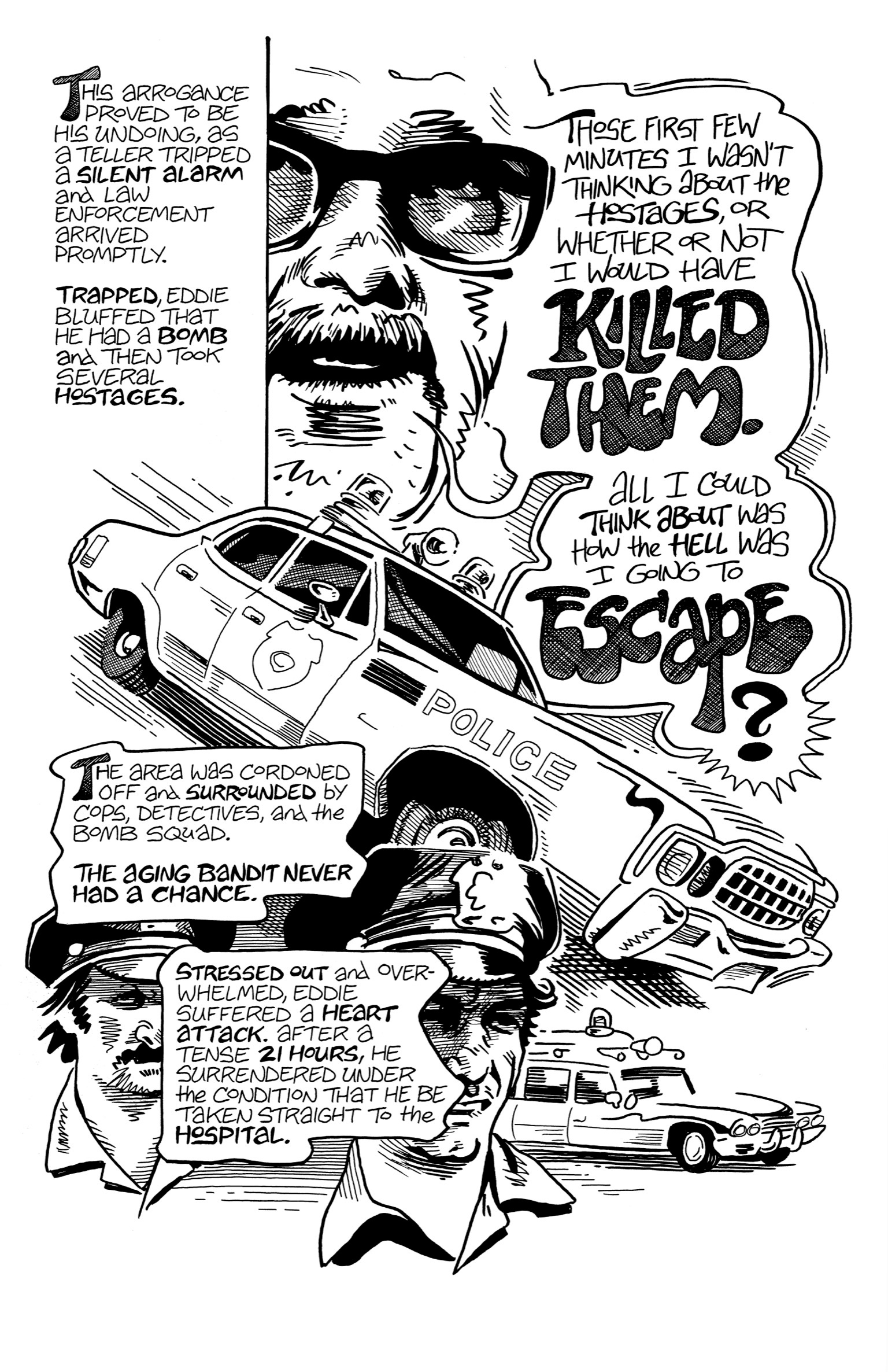
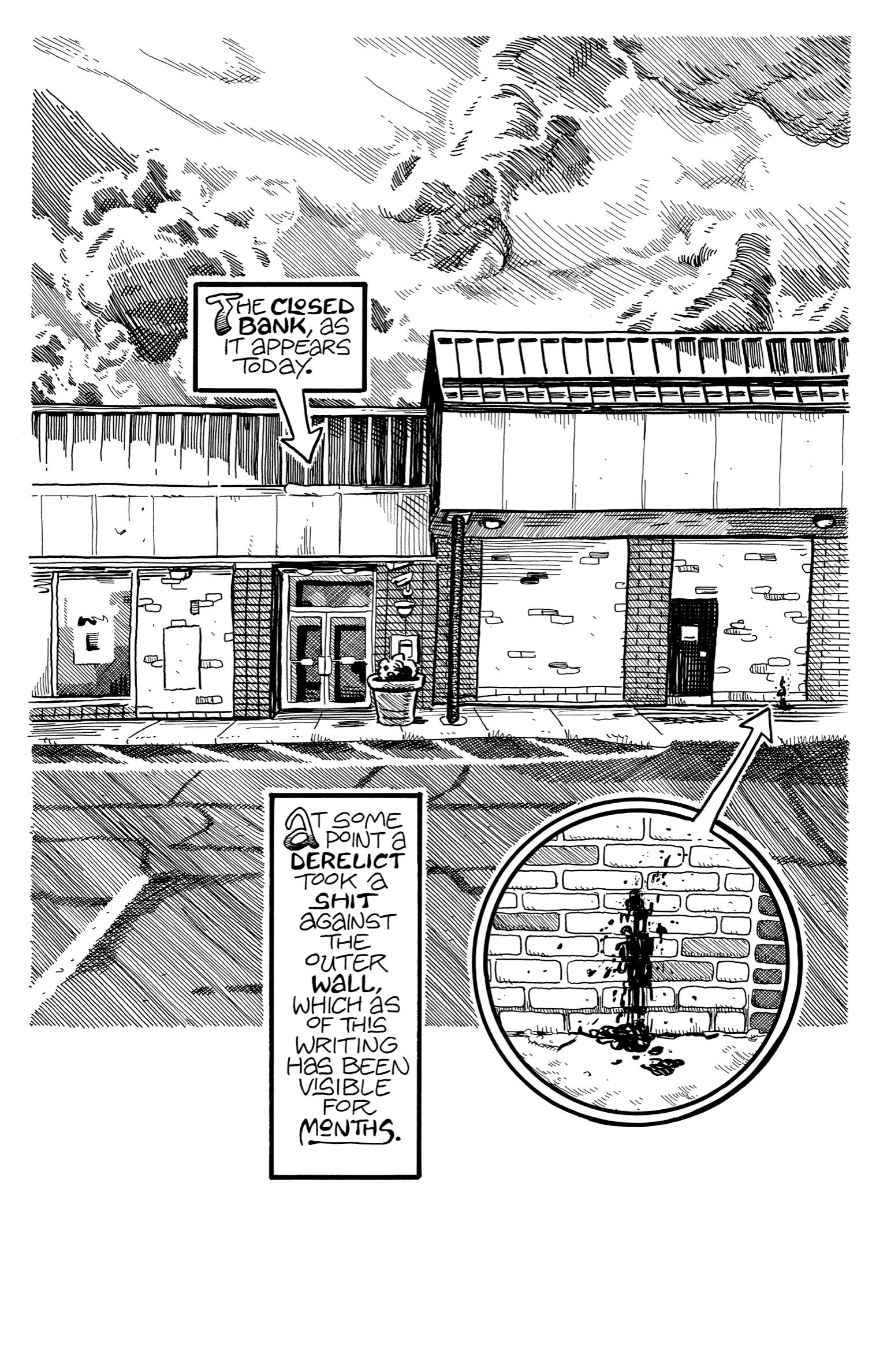
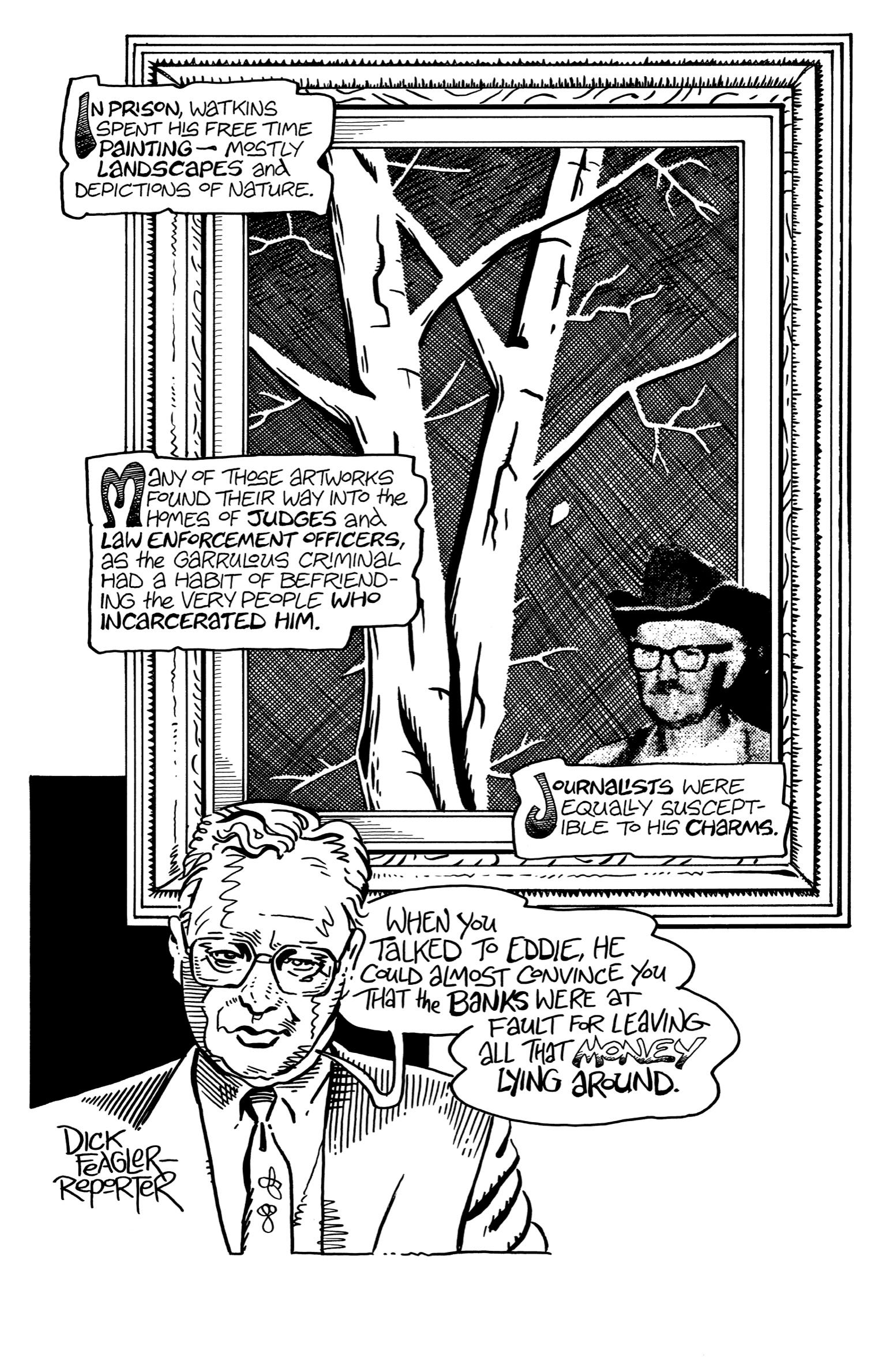
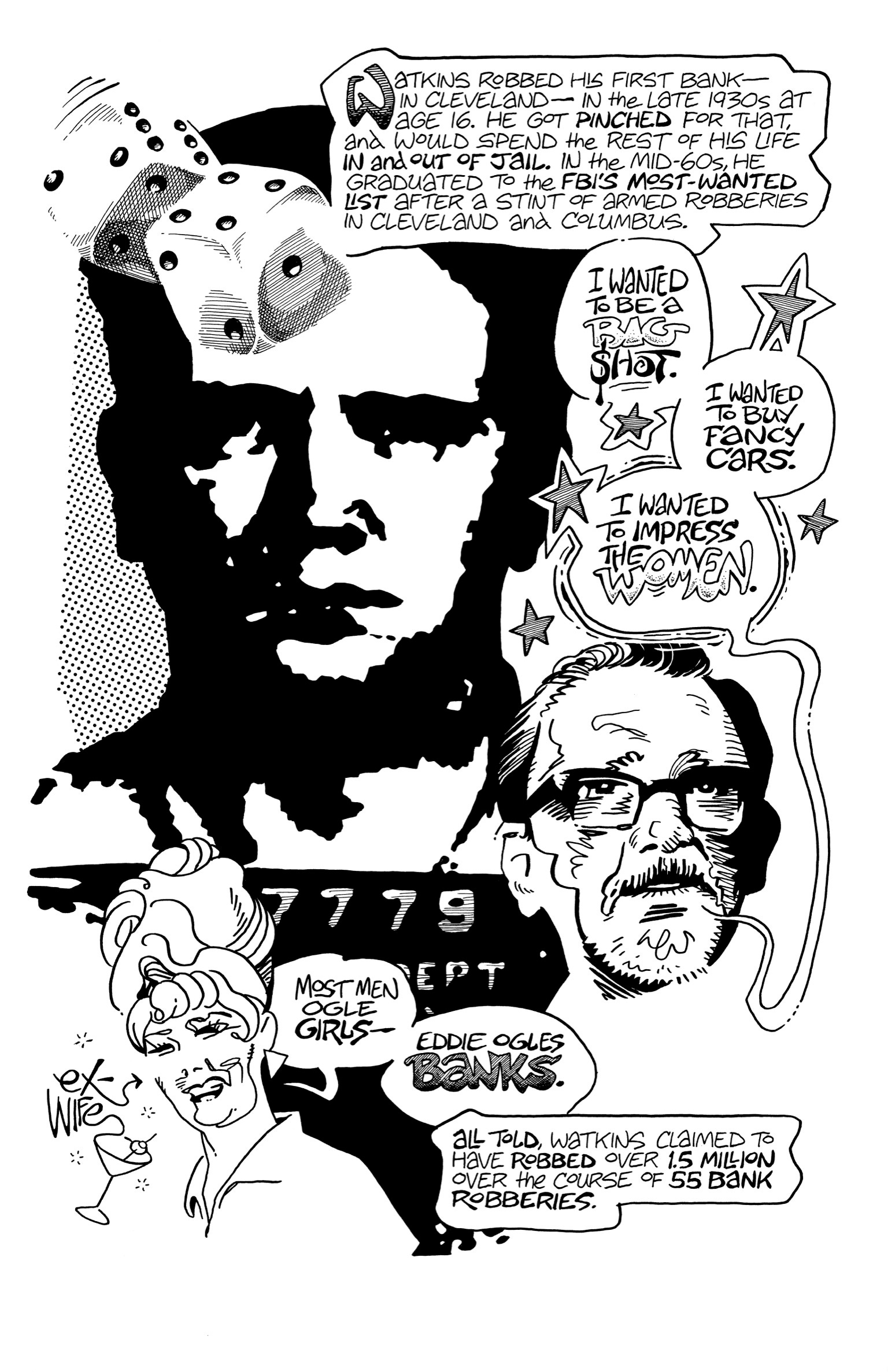
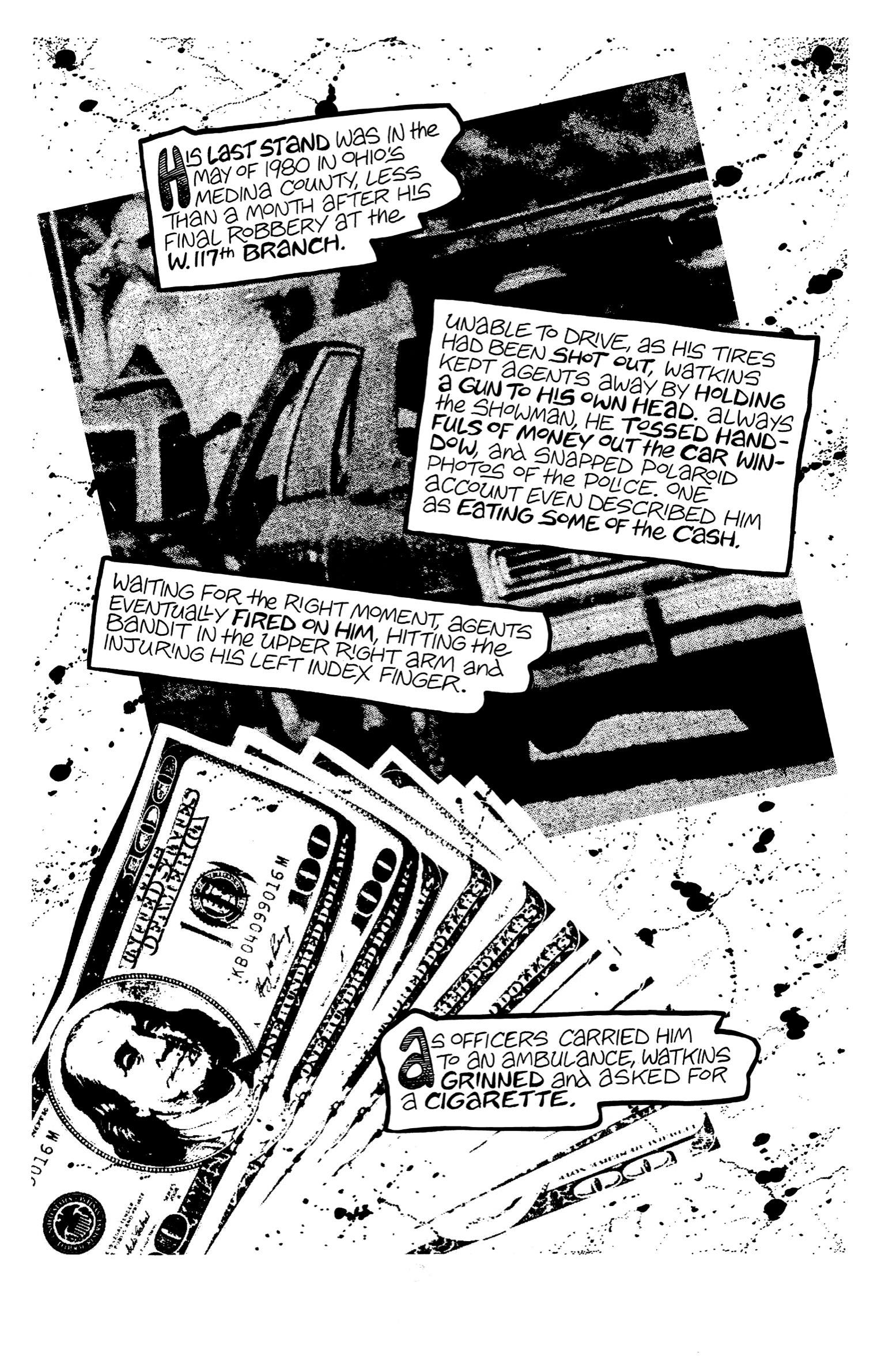
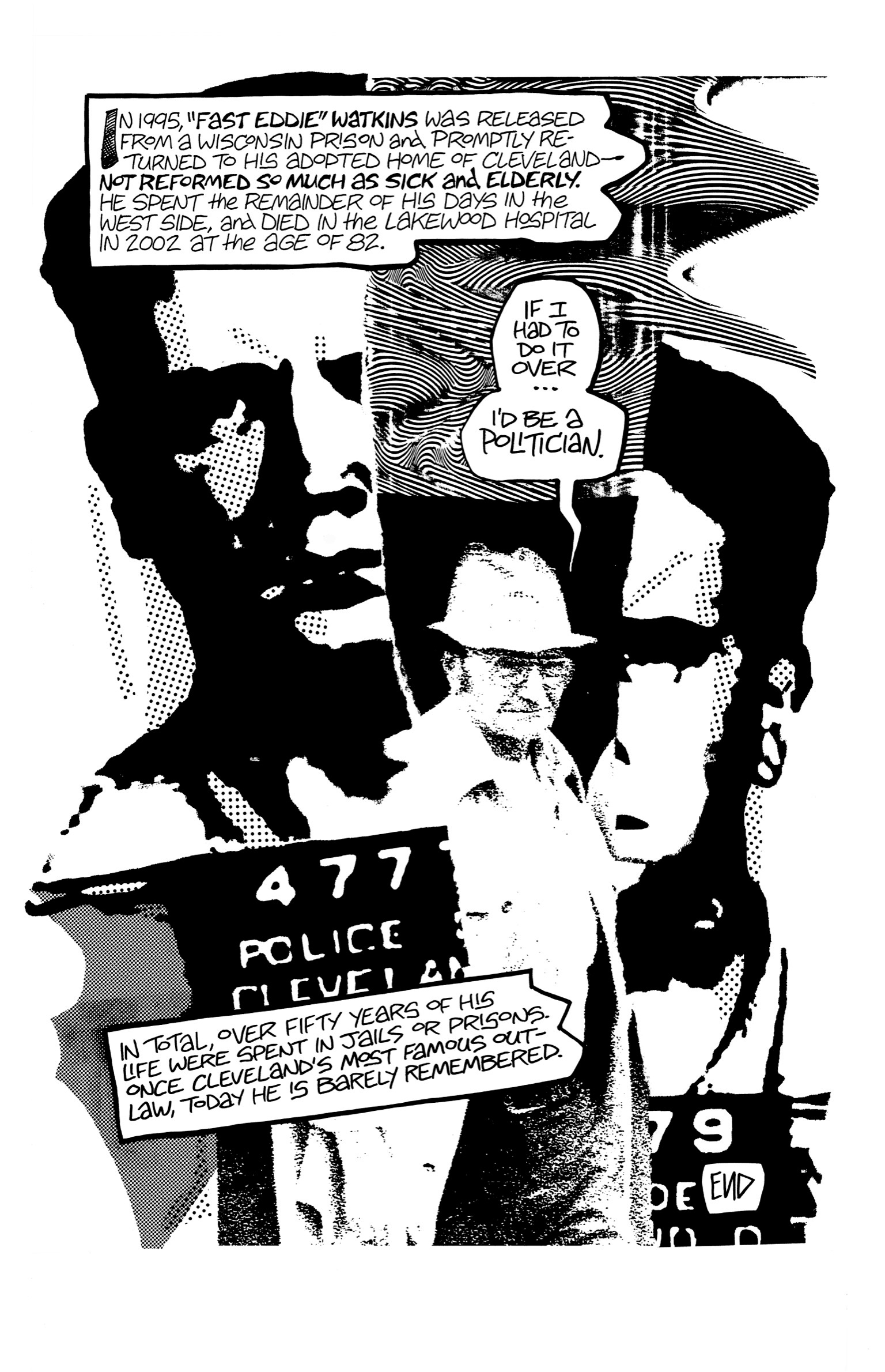
art by Dan Heyer
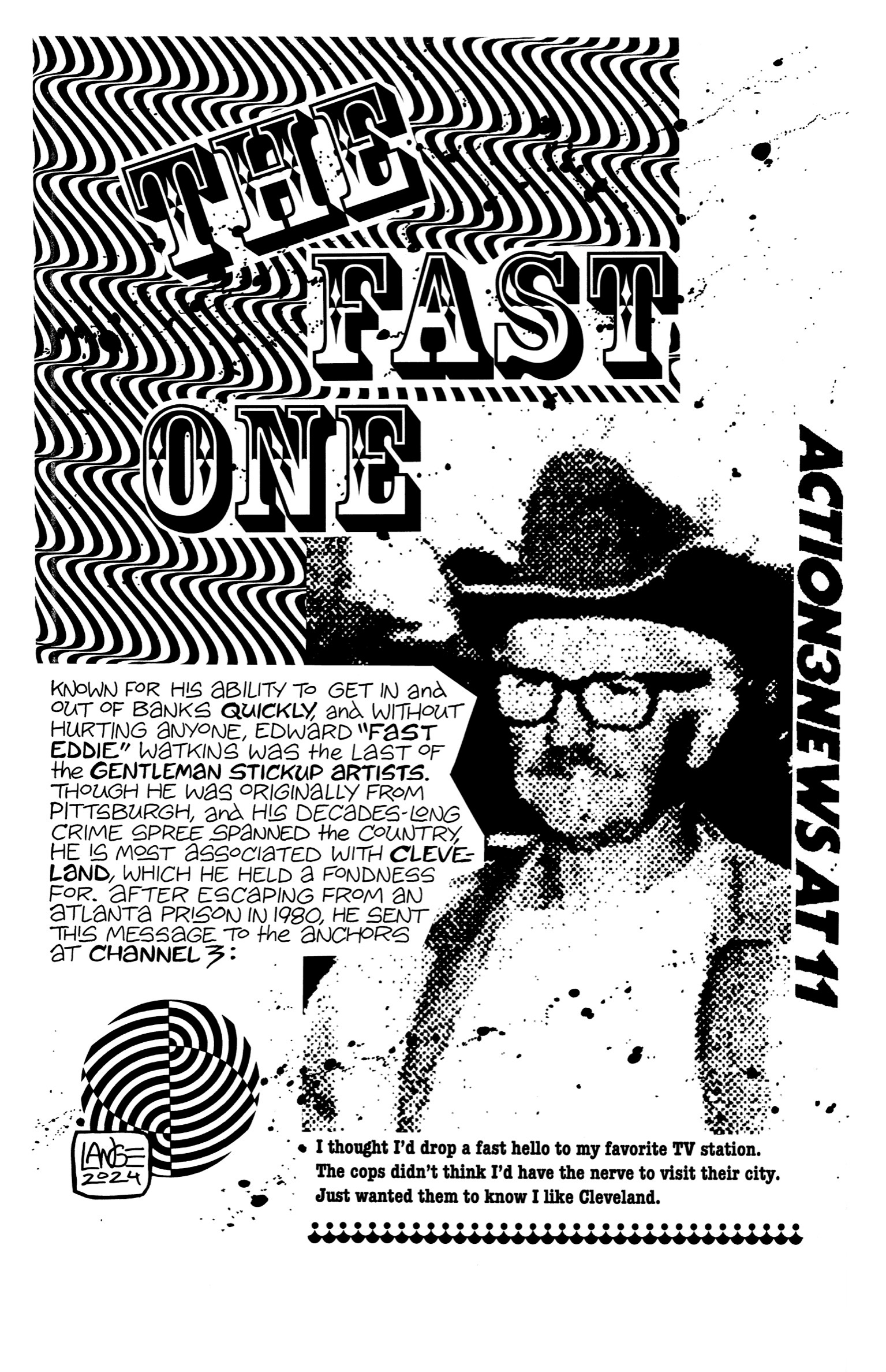
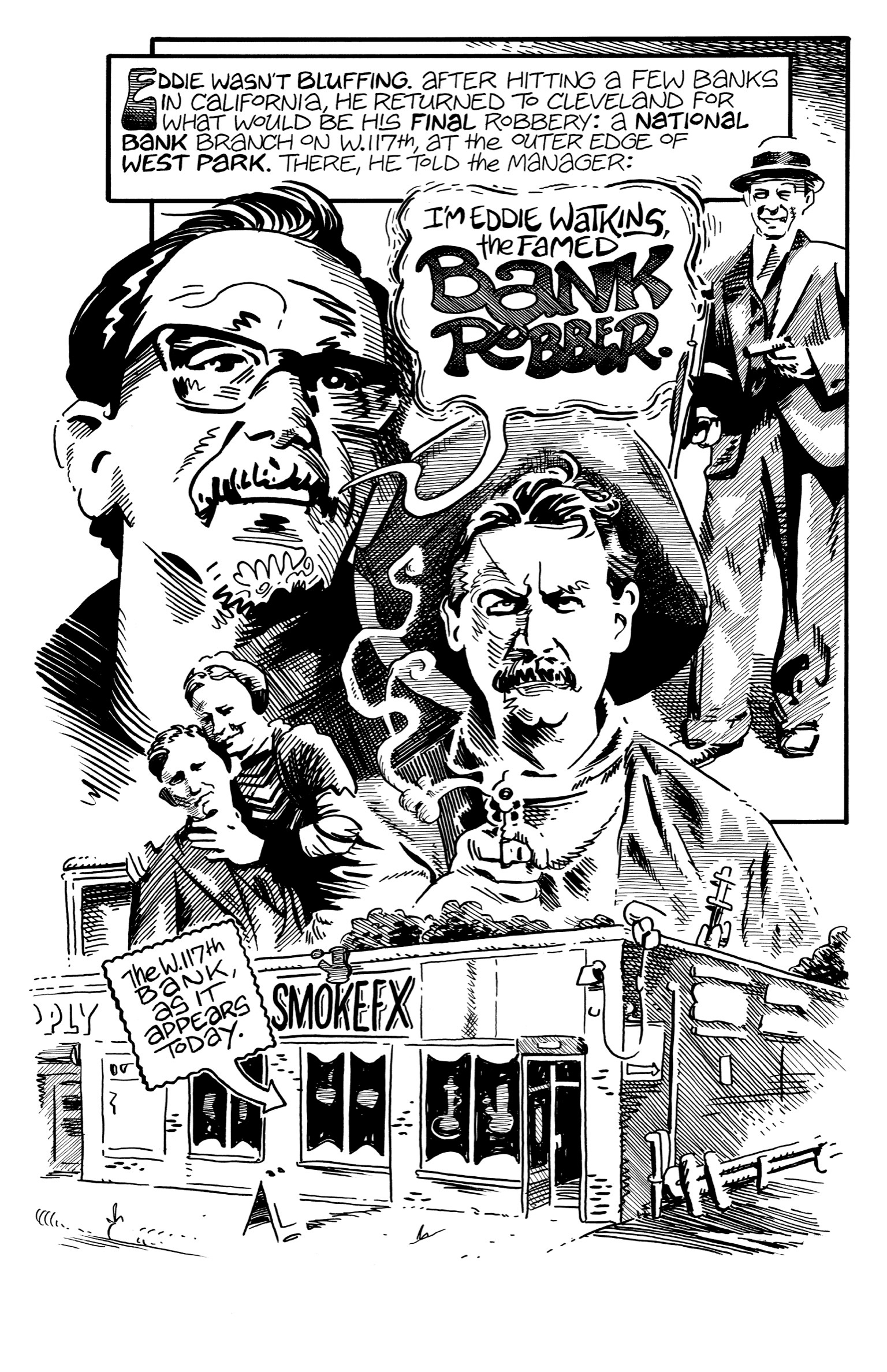
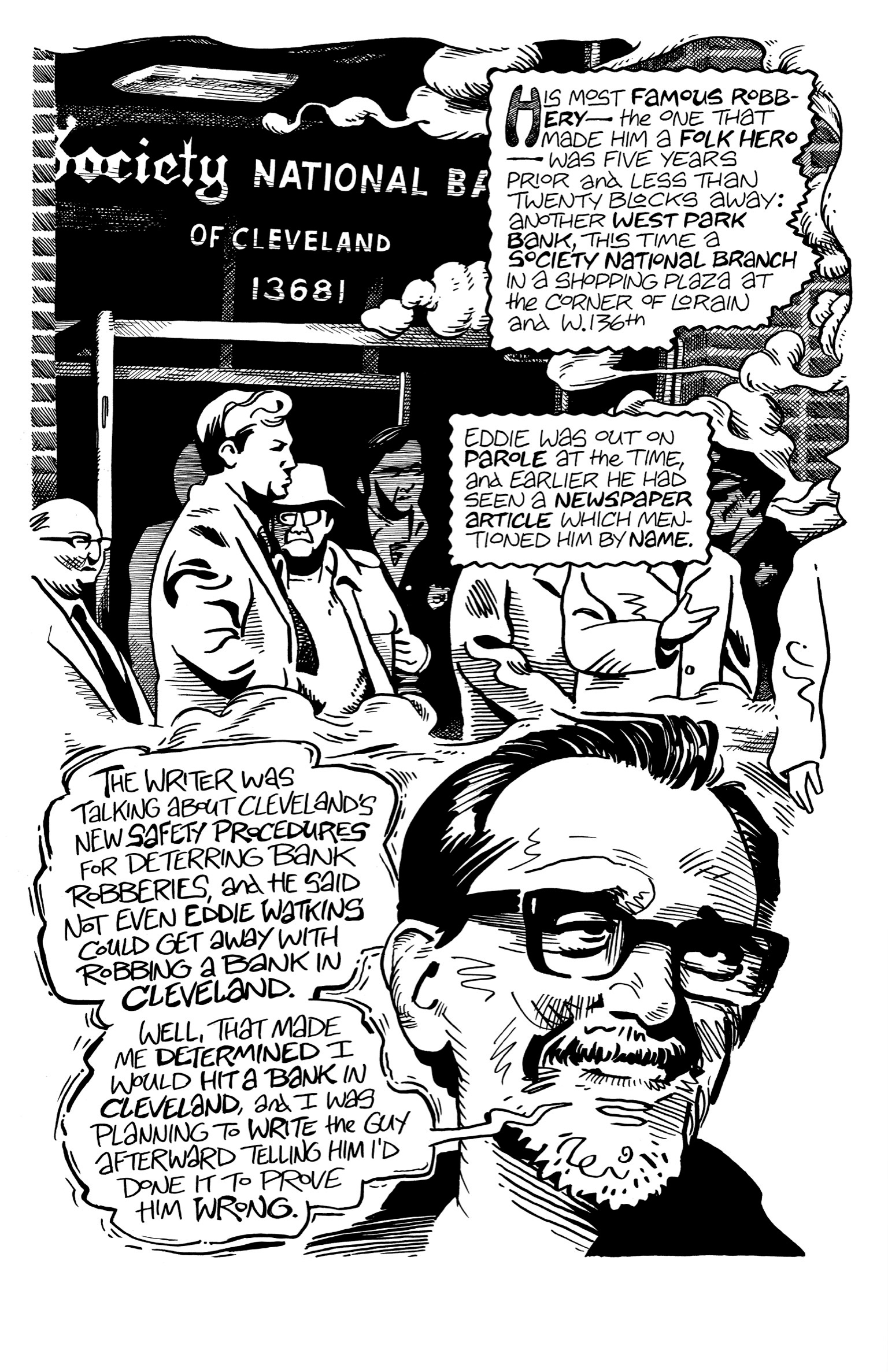
comic by Aaron Lange (excerpt from Ghoul Heat: Wicked West Park, to be published by Church Ghost at a later date)
excellent work on this essay